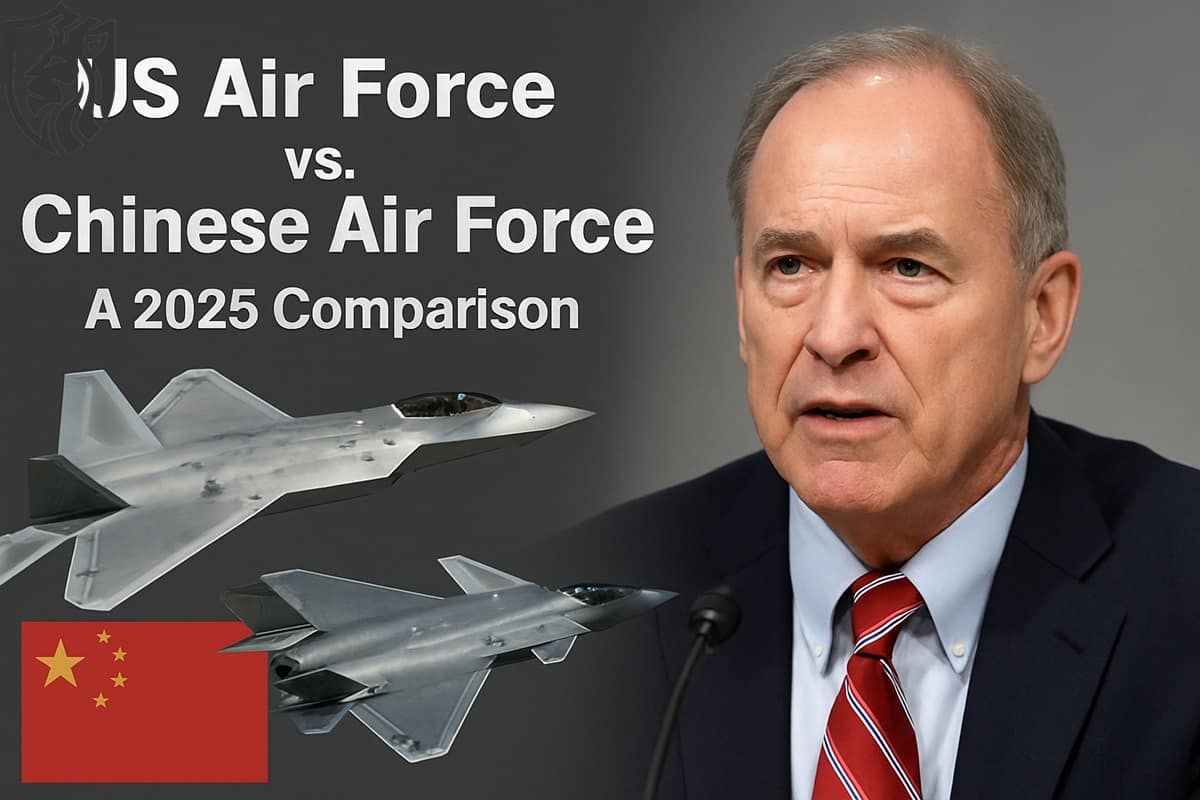

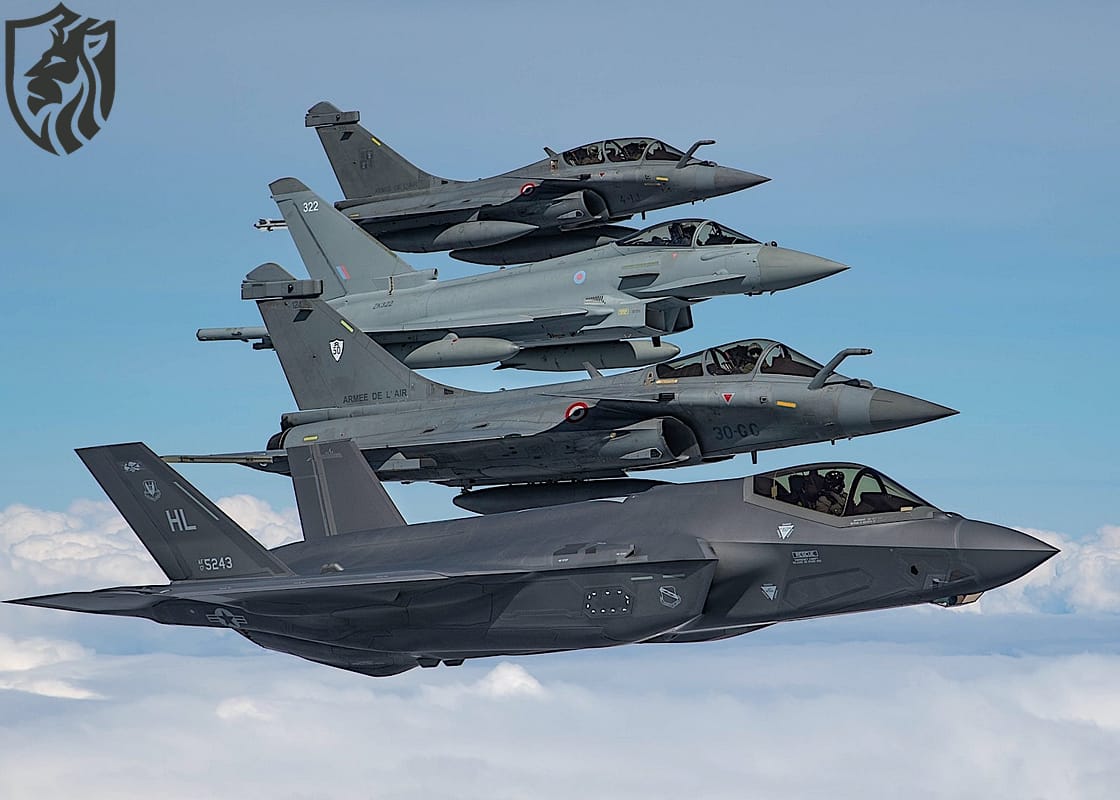
The Lockheed Martin F-35 Joint Strike Fighter (JSF) has redefined modern air combat with capabilities that far exceed its contemporaries, including the Eurofighter Typhoon and Dassault Rafale. This article explores F-35 vs Eurofighter vs Rafale: Tech Comparison, highlighting its unmatched stealth, avionics, and operational flexibility.
F-35: The Pinnacle of 5th Generation Fighters
The F-35 is the only fifth-generation stealth fighter jet available on the international market. Its design prioritises stealth with advanced radar cross-section (RCS) reduction techniques, making it one of the stealthiest aeroplanes ever produced. In comparison, F-35 vs Eurofighter vs Rafale: Tech Comparison becomes evident through its superior sensor fusion, unmatched by 4th-generation jets.
The Eurofighter Typhoon and Rafale are exceptional fighters in their own right. However, their designs retain significant 20th-century features. Both jets utilise advanced avionics and electronic warfare (EW) self-protection systems, but neither matches the F-35’s ability to integrate and process sensor data seamlessly.


Stealth Capabilities: F-35 vs Eurofighter and Rafale
When examining the F-35 vs. Eurofighter vs. Rafale: A Tech Comparison, stealth is the most significant differentiator. The Typhoon and Rafale employ modest RCS reduction measures, but they lack true stealth shaping. The F-35, in contrast, was purposely built for low observability, using a combination of radar-absorbing materials (RAM) and optimised aerodynamic shaping.

This disparity in stealth makes the Eurofighter and Rafale unsuitable for operations against neighbouring adversaries with advanced air defence systems. While these jets require significant support assets such as AWACS and electronic jamming aircraft, the F-35 can penetrate contested airspace independently, delivering precision strikes with minimal risk.

Avionics and Sensor Fusion: A League Apart
Another area of comparison is the avionics technology between the F-35, Eurofighter, and Rafale. The F-35’s advanced radar, double the size of the Rafale’s, enables superior situational awareness. Its Distributed Aperture System (DAS) and Electro-Optical Targeting System (EOTS) provide 360-degree coverage, enhancing survivability and mission effectiveness.
The Rafale and Typhoon, while equipped with cutting-edge radars and EW systems, rely on external assets for maximum efficiency. The F-35’s ability to self-escort and operate independently without compromising its stealth underscores its superiority.
Operational Flexibility: Multi-role Dominance
One of the most critical points in F-35 vs Eurofighter vs Rafale: Tech Comparison is operational flexibility. The Rafale, a highly capable 4.5-generation multi-role fighter, excels in versatility but requires extensive support for high-risk missions. Similarly, the Typhoon is a phenomenal interceptor, but its lack of stealth limits its role in modern contested airspace.
The F-35 is a true force multiplier. It eliminates the need for large strike packages by combining the capabilities of multiple platforms into one. Instead of deploying a fleet of Growlers, AWACS, and escort fighters, a handful of F-35s can execute missions with precision and efficiency, minimising the risk to human life and reducing operational costs.
Combat Effectiveness: Real-World Scenarios
In real-world scenarios, F-35 vs Eurofighter vs Rafale: Tech Comparison becomes even more evident. During NATO’s response to Russia’s invasion of Ukraine, the F-35 demonstrated its necessity in modern warfare. Its ability to operate undetected in heavily contested airspace has made it an indispensable asset for NATO allies.
Typhoons and Rafales, while formidable in their traditional combat roles, face higher attrition rates when deployed against advanced air defence systems. Their reliance on support assets like electronic warfare aircraft and AWACS underscores their limitations compared to the self-sufficient F-35.

Cost vs Capability: An Investment in the Future
While the F-35 has faced criticism for its high cost, F-35 vs Eurofighter vs Rafale: Tech Comparison justifies its price. The UK’s strategic decision to prioritise the acquisition of additional F-35B fighters over new Typhoons reflects its belief in the F-35’s long-term value.
The Rafale and Typhoon offer cost-effective solutions for nations that cannot afford the F-35. However, their effectiveness diminishes in high-threat environments, making them less viable for future conflicts.
Collaboration and Interoperability
The F-35’s integration into allied air forces further illustrates F-35 vs. Eurofighter vs. Rafale: Tech Comparison. Designed with interoperability in mind, the F-35 enables seamless coordination between NATO members. Although the Typhoon and Rafale are capable aircraft, they do not achieve the same level of collaborative efficiency that the F-35’s advanced communication systems provide.
Israeli F-35 Precision Strikes in Dense Air Defences
The Israeli F-35, known as the Adir, has proven to be a highly effective tool for precision strikes in environments saturated with Electronic Warfare (EW) and Surface-to-Air Missiles (SAMs), like those often found in Iranian-controlled areas. One of the F-35’s main advantages is its sensor fusion, which means it can combine information from different sources, like its advanced radar, targeting system, and camera system. This functionality allows the F-35 to gather a complete, real-time picture of the battlespace, even in heavily contested environments.
In high EW scenarios, the F-35’s stealth capabilities are crucial. Its low radar cross-section (RCS) makes it difficult for enemy radar to detect or track, allowing it to infiltrate contested airspace without being intercepted by SAM systems. Additionally, its advanced electronic warfare system (AN/ALR-94) can jam or deceive enemy radars, reducing the risk of detection and missile lock-on.
The F-35 also employs precision-guided munitions (PGMs), such as Small Diameter Bombs (SDBs), which allow for pinpoint accuracy even when flying through heavily defended airspace. This combination of stealth, sensor fusion, and PGM allows the Israeli F-35 to effectively strike Iranian targets while minimising exposure to both EW and SAM threats.

Conclusion
When assessing F-35 vs Eurofighter vs Rafale: Tech Comparison, the F-35 stands out as the clear winner. Its unparalleled stealth, avionics, and operational flexibility make it the benchmark for modern air combat. The capabilities of fifth-generation fighters like the F-35 increasingly eclipse those of the Typhoon and Rafale, which remain exceptional aircraft.
The decision to invest in the F-35 is not just about acquiring a fighter jet; it is about future-proofing air combat capabilities for decades to come.
References
- “Lockheed Martin F-35 Lightning II: A 5th Generation Fighter Jet”, Aviation Today.
- “Dassault Rafale and Eurofighter Typhoon: Comparative Analysis”, Military Watch Magazine.
- “Stealth and Sensor Fusion: The Edge of the F-35”, Defence Weekly.
- For more insights, visit Defence News Today or join discussions on the Pakistan Defence Forum.
About the Author