OTR-23 Oka
The harsh realities of the battlefield frequently lead to technological advancements in the complex realm of modern warfare. North Korean ballistic missiles, which Russia is currently using in Ukraine, are being significantly improved, according to a recent Reuters report. A new era of warfare is being ushered in by these once-crude weapons, which are challenging conventional military development concepts. North Korean missiles are getting more deadly, and accuracy has become crucial.
North Korean Missile Accuracy
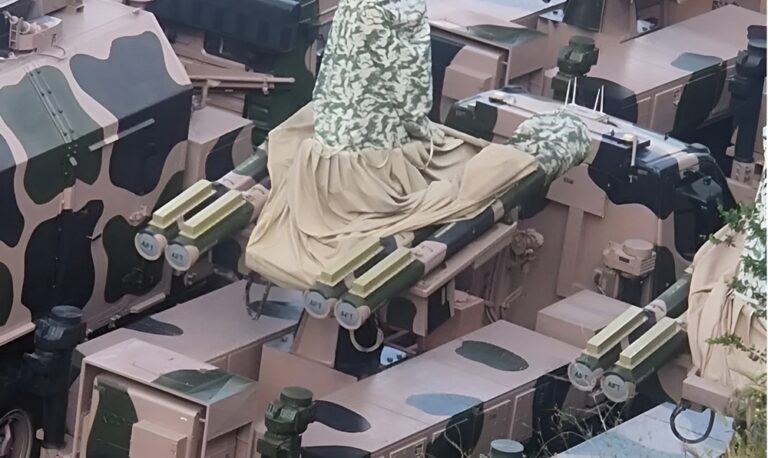
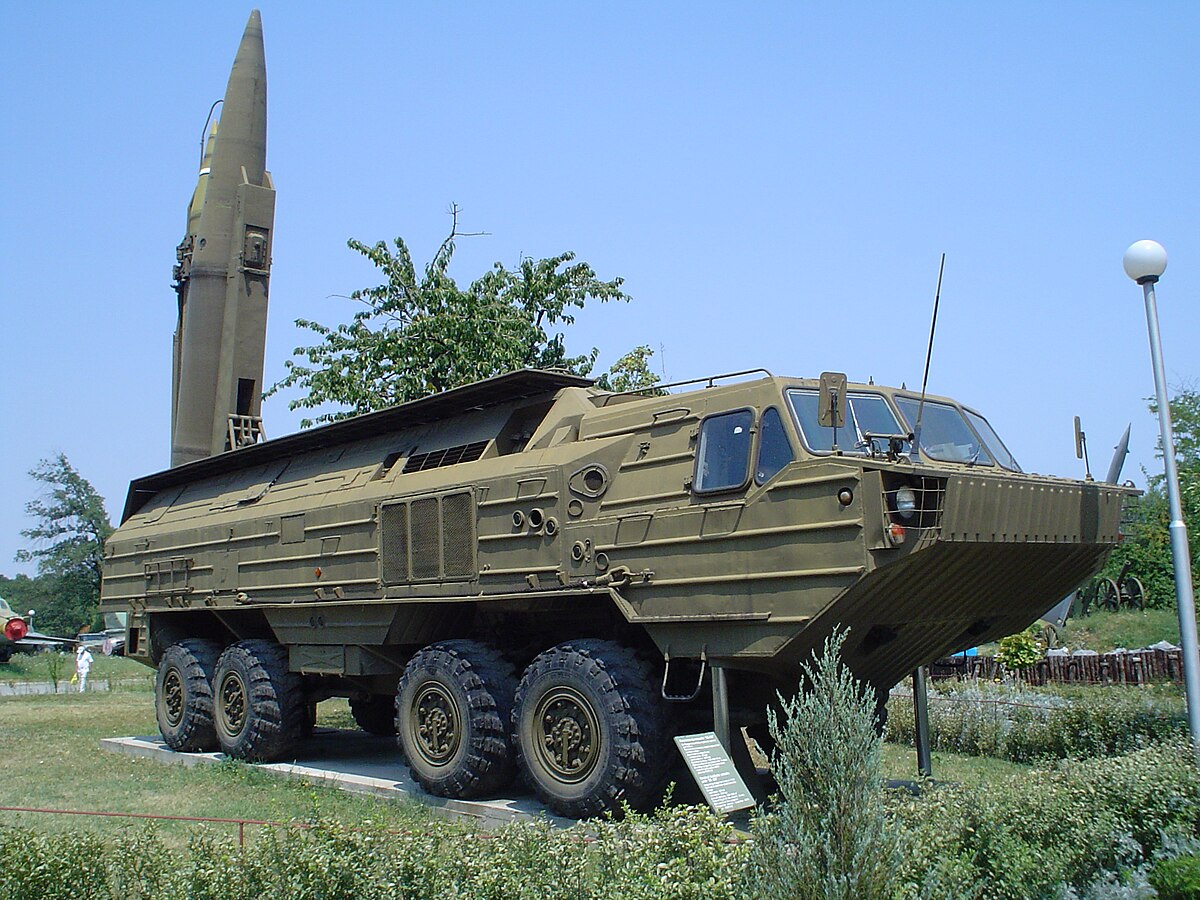
Ukrainian military sources say that the missiles’ margin of error has shrunk to between 50 and 100 meters. This is a big step up from older, less reliable versions. Even though this level of accuracy isn’t as good as the almost perfect accuracy of advanced American missile systems or Russia’s Iskander-M variants, it’s a big step forward. Warheads that weigh several hundred kilograms can cause a lot of damage within this error margin, especially in cities with a lot of people or against important infrastructure. It’s interesting that North Korean missiles are now as accurate as the Soviet-era OTR-23 Oka. But the North Korean models have a longer range, up to 700 kilometers. This improvement suggests that North Korea is not just copying old technology; it is also making it better.

The Legacy of the OTR-23 Oka
In the 1990s, the OTR-23 Oka, a very advanced weapon at the time, was no longer used. Still, North Korea’s constant push for military self-sufficiency has led to the creation of a missile that is as powerful as the Oka and has a longer range. This makes me wonder if Russia helped with technology transfers. Because Moscow has had close ties with Pyongyang for a long time and the Iskander-M is related to the Oka, it’s possible that North Korea got some parts or operational information.
Since late 2023, Russia has used KN-23/24 variants with 500-kilogram warheads and a range of about 700 kilometers. The first batches were known to be unreliable and inaccurate. They were mostly used in terror tactics to attack civilians and wear down Ukraine’s air defense systems, like the expensive SAMP/T and Patriot systems.
Battlefield-Driven Modernization
North Korea has tirelessly refined its missile capabilities, improving both manufacturing processes and design. This iterative improvement based on battlefield feedback is perhaps the most alarming aspect of this development. Building a weapon in a laboratory is one thing; refining it through combat experience is another. This process underscores the brutal efficiency of learning through conflict.
Russia, too, has embraced this philosophy. Known for its reliance on Soviet-era technology, the Russian military has adapted, refined, and innovated based on battlefield lessons. For instance, the Shahed-131/136 drones have undergone significant upgrades, with enhanced navigation, communication systems, and more potent 90-kilogram warheads. These drones, once crude tools for causing chaos, are now more precise and capable, showcasing Russia’s ability to modernize older technologies into formidable weapons.
Warfare’s Evolution in Ukraine
The war in Ukraine has put Russia in a position where it has to change quickly. Russia has had to rethink its military strategies and capabilities because it can’t win quickly. This has led to investments in both new ways of doing things and better technology, like drones and missiles. Not only is Russia making new systems, but it is also improving old ones that were thought to be out of date.
This fight shows that the military is going through a new phase of evolution, in which combat experience changes how technology works. Every missile that is fired and every drone that is used helps to improve weapons in real time. As countries learn from the battlefield, their weapons get better at killing people, working faster, and getting things done.

Implications for Ukraine and Beyond
The stakes are very high for Ukraine. As Russia’s missiles and drones get better, Ukraine’s air defense systems become even more important. Every interception and successful defense shows how strong Ukraine’s military is, even though it has limited resources and faces a constantly changing Russian arsenal. This war is a test for the future of warfare.
This story is not only about destruction; it’s also about new ideas. The crude and unreliable missiles of the past are now tools of precision. The simple drones of the past are now the weapons of choice. The fires of today’s battles are shaping the weapons of tomorrow, and the lessons learned will shape military technology for years to come.
Conclusion
The war between Russia and Ukraine is speeding up the start of a new era in military technology, where combat experience shapes the development of weapons. This combination of feedback from the battlefield and new technology is making an arsenal that changes quickly and will not only change the current conflict but may also set the standard for how militaries around the world fight in the future. As the war goes on, the world is watching closely to see how these changes will affect the rules of engagement for years to come.
References
- Reuters Report on North Korean Missiles in Ukraine
- Military Analysis of OTR-23 Oka and KN-23/24 Variants
- Updates on Russian Military Technology from Defence Blogs
- Historical Context of Soviet-Era Missile Systems
- Recent Developments in Drone Technology from TechCrunch
About the Author