

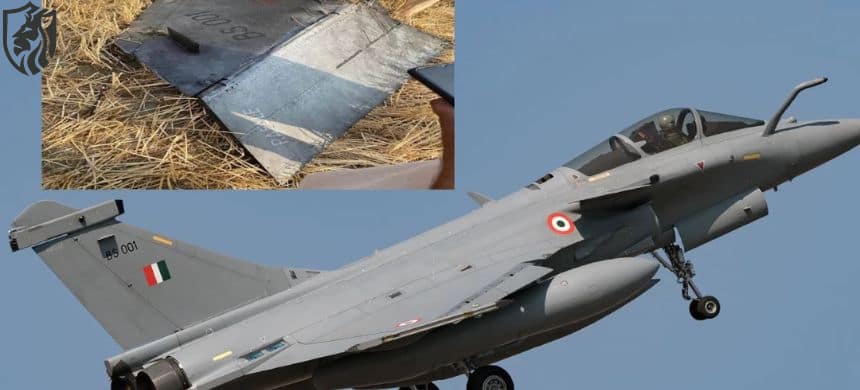
Indian Airforce Rafale
Introduction: A Notable Shift in Modern Aerial Warfare
In a milestone that has attracted international military interest, Pakistan has recorded the longest air-to-air kill, according to Reuters. A beyond-visual-range (BVR) missile reportedly carried out this historic battle, marking a milestone in South Asia’s air power balance.
With increasing emphasis on long-range air-to-air combat, Pakistan’s success indicates its rising aerospace capabilities and doctrinal evolution toward standoff precision warfare.
Pakistan Achieves Longest Air-to-Air Kill: Reuters Verifies Record

Missile Systems: The Role of PL-15 in the Kill
The PL-15 missile, suspected to be at the heart of the kill, uses an active radar seeker and has a range exceeding 200 km. Its extended range will enable fighters to attack threats without entering enemy missile envelopes. On Pakistan’s longest air-to-air kill, Reuters states it not only attests to the operational viability of the PL-15 but also puts Pakistan among the few select states with the capability for such long-range engagements.
Comparisons to Global Counterparts
The PL-15’s performance is similar to that of American AIM-120D and European Meteor missiles. While the Meteor is still the standard for no-escape zone capability, the PL-15 is optimised for range and terminal guidance. Pakistan acquired the longest air-to-air kill, says Reuters, and such a missile will likely prompt reevaluations within Indian and Western air defence doctrine.
Strategic Implications for South Asia This kill alters strategic calculations in the Indo-Pak theatre. With India dependent on shorter-range Astra and MICA missiles, the capability gap can widen unless bridged. With Pakistan achieving the longest air-to-air kill, according to Reuters, Indian airborne resources like AWACS, refuelling assets, and frontline fighter aircraft would become increasingly vulnerable in contested airspace.
Deterrence By Reach
By demonstrating this extended-range capability, Pakistan clearly communicates its ability to strike vital airborne targets without entering enemy airspace. This enhances deterrence and may shape rules of engagement in future conflict. As analysts verify that Pakistan achieved the longest air-to-air kill, according to Reuters, global military planners will likely adjust risk profiles for air operations in the vicinity of Pakistan’s air defence canopy.
Technological Leap: JF-17 and J-10C under the Limelight
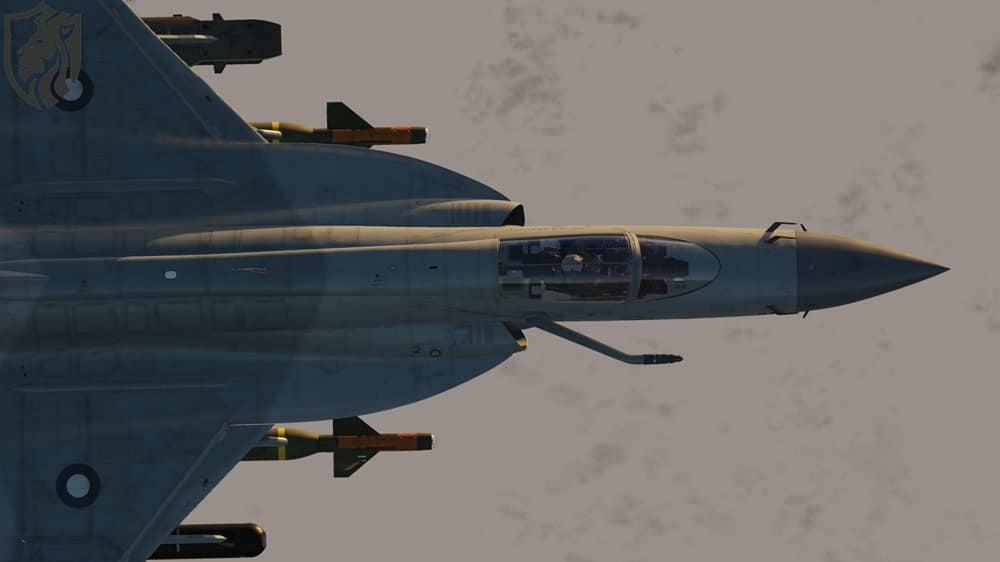
The destruction also confirms the capability of Pakistan’s newest air platforms. The JF-17 Block III, equipped with AESA radar technology and data-link features, is now regarded as a serious multirole combat aircraft. So too can the J-10C—fitted with the PL-15 and PL-10 close-range missile systems—provide the Pakistan Air Force with a fourth-generation-plus fighter capable of projecting regional power.

According to Reuters, Pakistan’s success in registering the longest air-to-air kill indicates the development of these platforms and signifies the strategic importance of cooperation with Chinese defences. International Response and Verification Although Reuters cited anonymous officials and sources, independent confirmation from military observation networks attests to the claim’s credibility.
Allied defence specialists reportedly analysed satellite imagery and intercepted communication records, which confirms the long-distance nature of the engagement. NATO and regional air forces are now seriously scrutinising Pakistan’s claim that it has recorded the longest air-to-air kills.
Conclusion
A New Age in Air Warfare In short, the case of Pakistan having the longest air-to-air kill, Reuters reports, is not merely a technical feat—it is a strategic message. It is a reflection of Pakistan’s increasing reliance on precision, long-range combat, avionics integration, and tighter defence cooperation with China.
For India and other regional actors, the need to rejig BVR doctrine has become an imperative. It is possible that this incident could set the direction of air warfare for the years to come in the region.
References
- Reuters: https://www.reuters.com
- Global Times: https://www.globaltimes.cn
- The Drive—The War Zone: https://www.thedrive.com/the-war-zone
- Military Watch Magazine: https://militarywatchmagazine.com
- Defense News Today: https://www.defensenewstoday.info
- Pakistan Defence Forum: https://www.facebook.com/groups/pakistandefenseforum
About the Author