
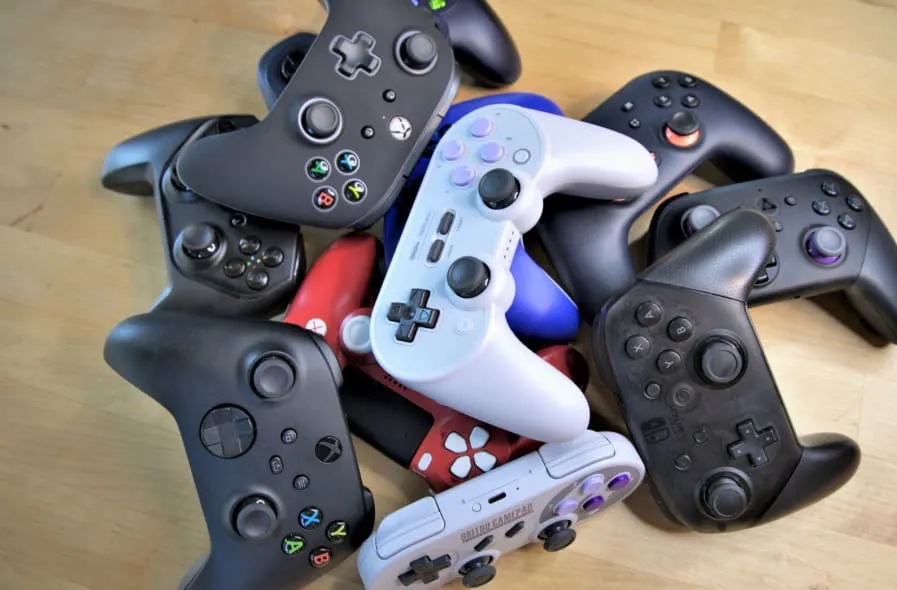
Drone Controller
The United Kingdom has banned the export of video game controllers to Russia, claiming that Russian forces are modifying them to operate drones in the war against Ukraine. Experts say this decision highlights how consumer electronics are becoming tools of modern warfare.
This move also shows how government officials—often working far from Ukraine’s frontlines—play a direct role in shaping the conflict. By controlling what goods each side can buy, officials shape the war’s outcome without going anywhere near the battlefield. Enforcing these rules isn’t simple. People are now turning everyday items—once seen as harmless—into tools of war.
The UK’s latest sanctions go beyond just game controllers. The government has added about 150 more items to its banned export list, including software used in oil drilling, specific industrial chemicals, and various types of electronic equipment. These additions expand an already extensive list of restrictions, all aimed at limiting Russia’s ability to sustain its military campaign.
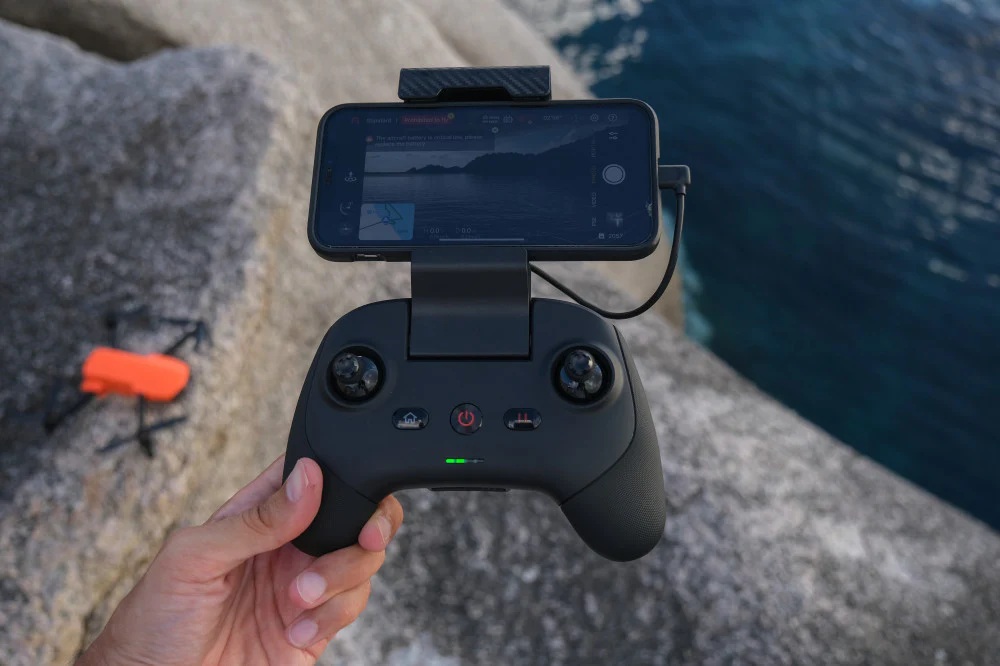
Stephen Doughty Speaks
“Gaming consoles won’t be used for lethal attacks in Ukraine,” said Foreign Office minister Stephen Doughty. He referred to the most talked-about item on the new UK export ban list. The UK government clarified its goal—to disrupt Russia’s military industry and weaken its ability to launch attacks. This aligns with sanctions in place for the last three years.
The EU and U.S. have similar bans, with America banning joysticks and controllers earlier this year. Still, experts question how effective these bans truly are. “If Russia wants game controllers, they’ll get them,” said Robert Shaw of the Middlebury Institute. He believes China will likely supply most of these items to Russia.
China and Japan make nearly all the world’s gaming controllers; the UK produces almost none. This raises doubts about the ban’s actual impact on Russia’s tech imports. At best, it limits re-exports through British ports rather than blocking manufacturing at the source.
Game Controllers Manufactures in UK/EU
| Company | Country | Website |
|---|---|---|
| Custom Controllers UK | United Kingdom | https://www.customcontrollers.com/ |
| Controller Modz (Pro Gaming Ltd) | United Kingdom | https://controllermodz.co.uk/ |
| AimControllers (AIMLIMITLESS Sp. z o.o.) | Poland (EU) | https://eu.aimcontrollers.com/ |
| NACON | France (EU) | https://www.nacongaming.com/ |
| Thrustmaster (Guillemot Corp. S.A.) | France (EU) | https://www.thrustmaster.com/ |
EU and UK sanctions
Experts say UK and EU sanctions succeed by restricting cutting-edge tech where the West still dominates. Often, sourcing these technologies from elsewhere proves difficult, thereby intensifying the impact of sanctions. Furthermore, obtaining the necessary knowledge to construct or utilize these technologies is challenging without access to Western resources.
This idea forms the foundation of the UK’s export control laws. These laws prevent the transfer of technology required for constructing or utilizing restricted items in Russia.
But video game controllers aren’t like Dutch chip-making machines or German precision instruments. They’re mass-produced and not unique European tech products. Therefore, although the ban conveys a message, its actual impact could be more symbolic than strategic.
“But that means the ban is valid,” said Shaw, an export control specialist. For one, it is beneficial publicity and grabs the attention of the public, which has inherent value, he said.
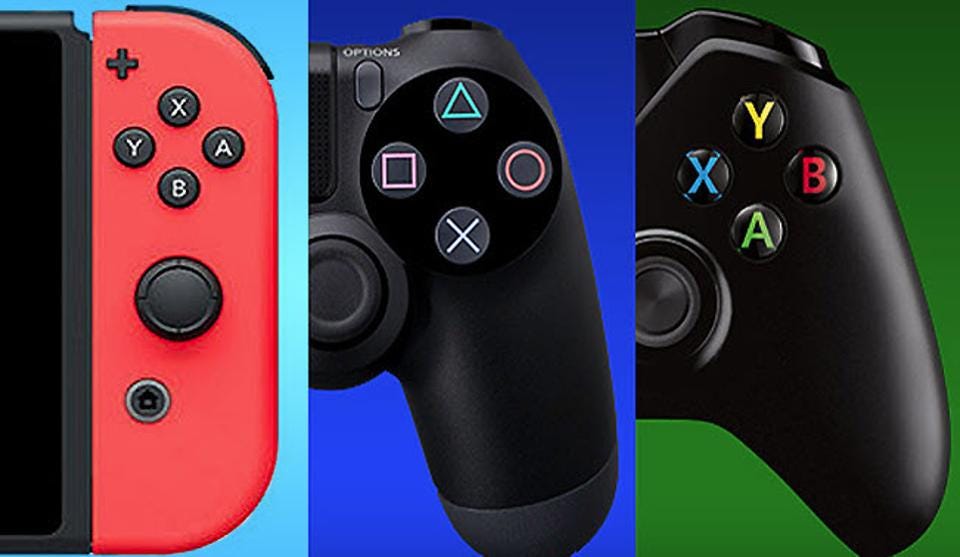
Dual-use Technology
Shaw said it highlights how everyday items can support armed conflicts through dual-use technology. Surprisingly, gaming and tech communities showed strong interest in the sanctions news. They’re not usually the target audience for UK foreign policy or trade restrictions.
Later Shaw added that awareness alone can prompt caution with new business partners. He said it helps spot red flags, like odd shipping addresses or small, unlikely markets. Raising an eyebrow at an unusual order can prevent banned tech from reaching Russia.
Central Asian countries, Turkey, and India have become key transshipment routes for Russia. These hubs help smuggle restricted goods by disguising the final destination. The UK’s new rules add tools to stop this kind of illegal backdoor trade. By widening legal powers, Britain can crack down harder on those dodging sanctions.
Conclusion
If UK authorities suspect a shipment could be diverted for Russian use in the war against Ukraine, they can legally detain it, seize the goods, and open an investigation, Shaw said. In reality, Western allies typically maintain confidentiality regarding sanctions designations. Even so, it seems unlikely China—Russia’s main source of electronics—will issue a formal ban on supplying controllers. However, Beijing could still exert indirect pressure on companies through unofficial channels.
Meanwhile, Chinese leaders continue to employ carefully calibrated diplomatic language. On the one hand, they signal support for their “strategic partner,” Russia. On the other, they try to preserve workable ties with Western capitals. As a result, Shaw noted, some Chinese firms may decide it is wiser to delay or pause certain deals. That way, they can reduce the risk of reputational damage—and protect access to lucrative Western markets.
References
- https://www.reuters.com/world/europe/uk-blocks-video-game-controller-exports-russia-seeking-thwart-drone-pilots-2025-04-24/
- https://www.gov.uk/government/publications/notice-to-exporters-202511-further-sanctions-against-russia-introduced-in-april-2025/nte-202511-further-sanctions-against-russia-introduced-in-april-2025
- https://www.gov.uk/government/publications/complying-with-technology-transfer-sanctions/complying-with-technology-transfer-sanctions
- https://www.legislation.gov.uk/uksi/2019/855/contents
About the Author