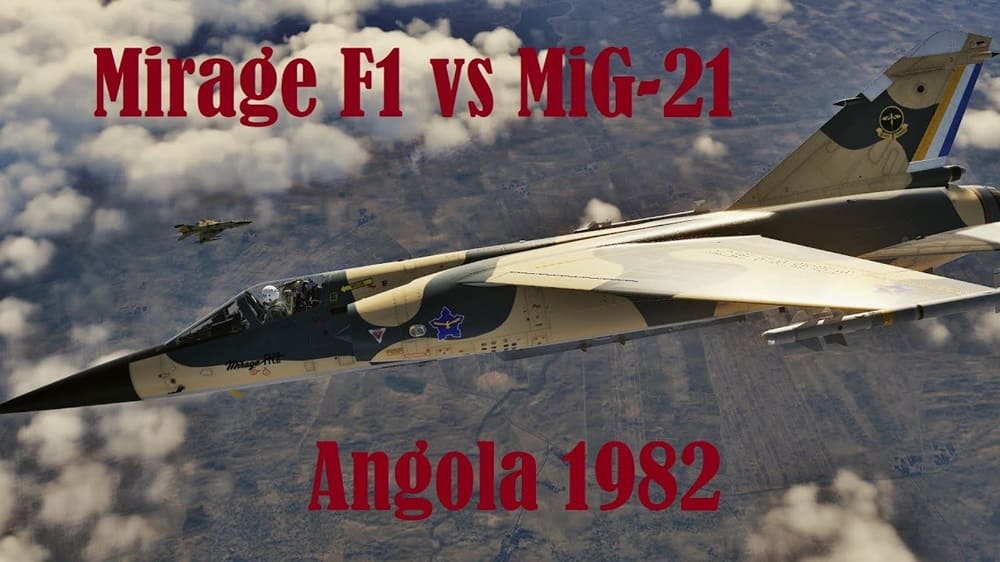
Angolan MiGs vs South African Mirages: Cold War Lessons
Southern Angola was a tough place for air combat in Africa during the Cold War. The fight between Angola’s MiGs and South Africa’s Mirages was not about which country had better planes. It was about who had the plan, training, and equipment. During the Angolan Civil War and the South African Border War, the airspace in the region became a place where different countries fought for control. Cuba and the Soviet Union helped Angola, while South Africa fought for its own interests and those of a group called UNITA.
Cold War Air War in Southern Africa
When Angola got Soviet-made MiG-23 fighter jets, the air war became more intense. Cuban pilots did a lot of the fighting while Angolan pilots learned from them. At the time, the South African Air Force used Mirage III and Mirage F1 planes for various tasks, such as intercepting enemy planes, protecting their own planes, and attacking enemy positions.
So it was Angola’s MiGs against South Africa’s Mirages, a fight between two air power styles. The MiG-21 was fast and easy to fly. The MiG-23 was even better with radar, speed, and missiles. On the other hand, the Mirage F1 gave South Africa a plane that could do many things well, like flying low, attacking targets accurately, and being flown by experienced pilots.
MiG-23 Shifted the Balance
The Soviet-made fighter jets gave Angola and Cuba some advantages. The MiG-21 was a plane for intercepting enemy planes, but it was an older design. The MiG-23 was even better with sensors and air-to-air missiles that could threaten the Mirage planes before they even got close.
The speed, climb rate, and acceleration of the MiG-23 meant that African pilots had to think carefully about when and where to attack. Reports from 1987 and 1988 show that the MiG-23 forced the South African Air Force to fly low and be more careful when fighting in the air. This change made it harder for them to fly freely.
Mirage F1 Strengths and Limits
South Africa’s Mirages still had some advantages. The Mirage III was already known for being a plane. The South African Air Force got a modern plane with the Mirage F1. The pilots were able to counter the enemy’s numbers by flying in formation, using ground control, and navigating at altitude.
There were limits to what they could do. Sanctions made it difficult for South Africa to buy planes or the best Western missiles. So the South African Air Force often had to rely on the skill of their pilots, radar direction, and careful planning rather than having a technological advantage.
Cuito Cuanavale’s 1987 Turning Point
The famous part of this airfight was the Battle of Cuito Cuanavale in 1987 and 1988. Angolan and Cuban troops used MiG-23s to support their ground operations and put pressure on African positions. Meanwhile Mirage F1s kept flying strike and interdiction missions in environments with radar and surface-to-air missiles.
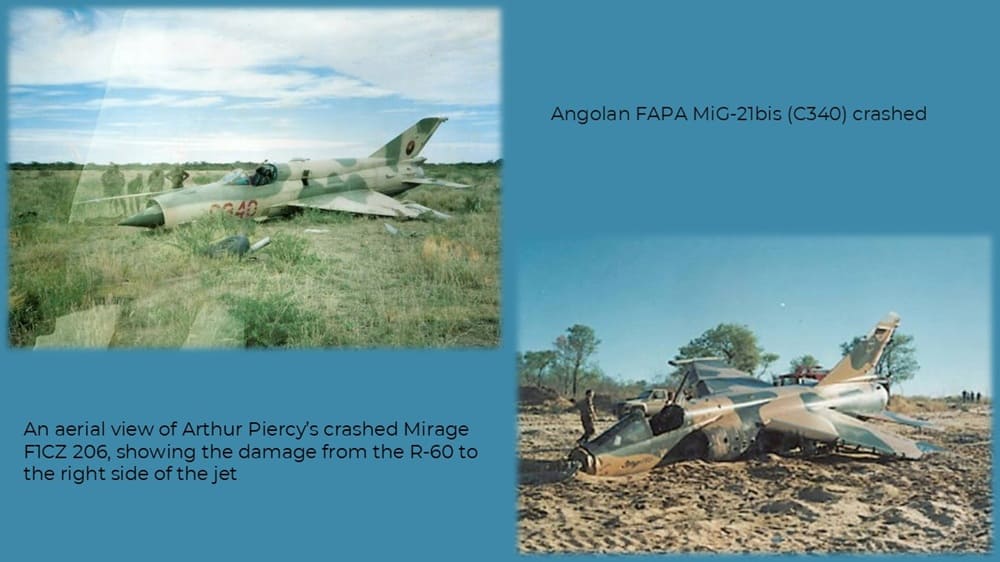
Cuban MiG-23s fought against South African Mirage F1s during Operation Moduler on 27 September 1987. One Mirage, flown by Captain Arthur Piercy, was terrible. The crash caused serious injuries to Piercy when it landed. Historians might argue about who won which battle. It was a symbolic fight: Angola’s MiGs against South Africa’s Mirages.
Radar, Missile and Altitude Limits
The lesson was not just about the planes themselves. It was about how all the systems worked. South Africa had ground radar and trained controllers to direct their pilots to those places. Angola and Cuba got an advantage with newer Soviet planes, longer-range missiles, and more powerful air defense systems.
So both sides changed their tactics. Mirage pilots often flew very low to avoid radar detection. MiG pilots used their speed and missiles to threaten the African planes. The result was not like the dogfights but more like a modern scramble for information, timing, and safe firing positions.
Reality and Losses
The losses were calculated differently. While some reports say the Mirage losses were higher, the history of the plane shows that the South African Air Force lost more Mirage F1s than Angola and Cuba lost MiGs. The overall situation is clear. South Africa flew accurate missions, but Angola and Cuba were able to prevent them from controlling the air.
This balance was the result of the situation. Airpower was not the factor in winning the war. It did affect the risk on the battlefield, morale, diplomacy, and control of the situation. The Cuban withdrawal and Namibian independence were part of a military and diplomatic picture that eventually led to a regional settlement.
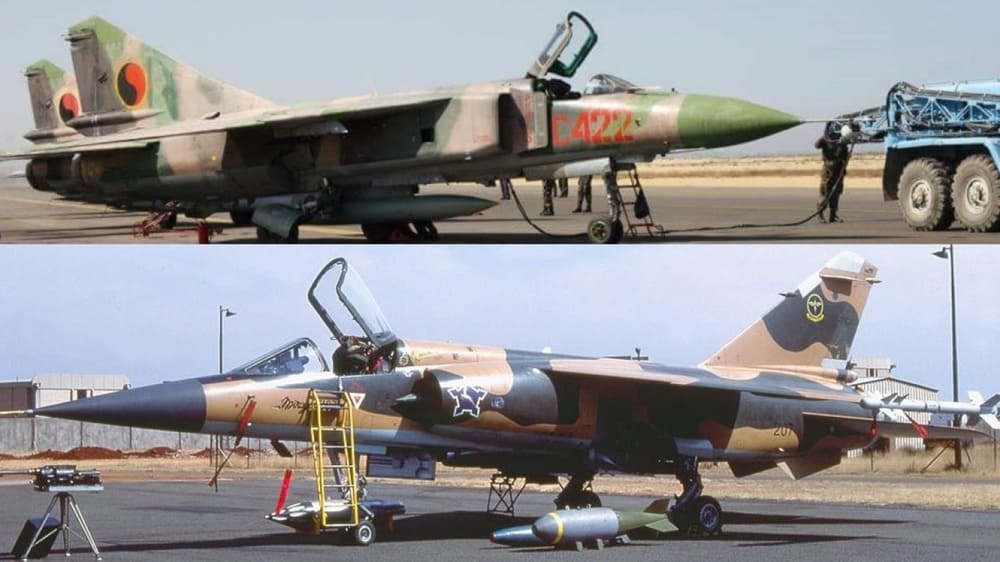
Bottom: Mirage F-1
Lessons for Modern Defense Analysts
The fight between Angola’s MiGs and South Africa’s Mirages is still important today. It shows how older planes can be dangerous if used with tactics. Training, early warning, missile quality, and logistics can overcome the limitations of the number of planes. This conflict is also a warning that sanctions, old weapons, and limited upgrade paths can slowly weaken a country’s tactical advantage.
The lesson for today’s air forces is simple: It’s not just about having a plane; it’s about having a better combat system. Sensors, weapons, electronic warfare, command networks, and pilot proficiency all contribute to a plane’s ability to survive and control the battlefield.
Conclusion
One of the important air power case studies of the Cold War, outside Europe and the Middle East, is the fight between Angola’s MiGs and South Africa’s Mirages. It was a mix of Cuban hardware experience, French-designed planes, and South African tactical discipline. Importantly, it showed that air superiority is not permanent unless technology, training, and strategy evolve together. Angola’s MiGs and South Africa’s Mirages are still an example of this.
References
- https://defensenewstoday.info/defense-branches/air-force/
- https://www.key.aero/article/south-african-mirage-f1s-versus-angolan-mig-23s
- https://defensenewstoday.info/africa/
- https://www.researchgate.net/publication/233367593_Cuba_and_the_Independence_of_Namibia
- https://theaviationgeekclub.com/mig-23-vs-mirage-f-1-when-cuban-flown-angolan-floggers-clashed-with-south-african-mirages/
- https://www.sa-transport.co.za/aircraft/mirage_f1_saaf_service.html
About the Author